EP4CE15F23C7N
- Description
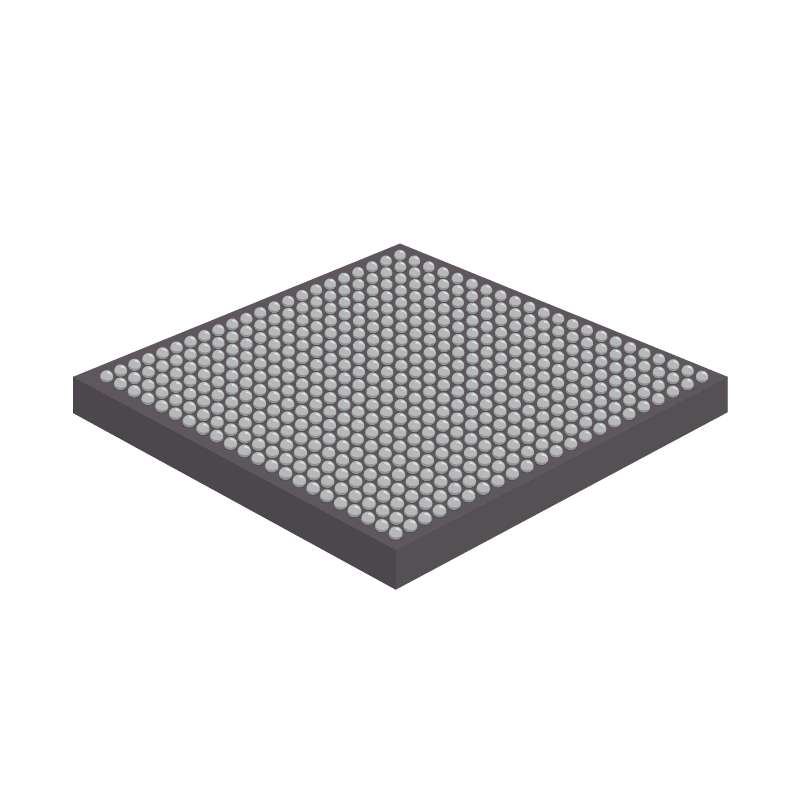
- EP4CE15F23C7N, FPGA Cyclone IV E 15408 Cells, 504kbit, 963 Blocks, 1.151.25 V 484-Pin FBGA
- Number of I/Os
- 343
- Number of Logic Elements/Cells
- 15408
- RAM Size
- 63kB
- Max Frequency
- 200MHz
- Datasheet
Quantity
Need this part?
Let us do the sourcing. Even if it's not available now, our team can track it down and tailor a solution just for you.
Let us do the sourcing. Even if it's not available now, our team can track it down and tailor a solution just for you.
Fusion-Tested. Quality Guaranteed.
- 15,408 Logic Cells and 963 Logic Blocks
- 484-Pin FBGA Package for Space Efficiency
- 343 I/O Pins for Enhanced Connectivity
- Operating Supply Voltage of 1.2V
- Maximum Operating Temperature of 85°C
- 63kB RAM Size for Data Storage
- Surface Mount Technology for Easy Integration
- RoHS Compliant for Environmental Safety
The Intel EP4CE15F23C7N Cyclone IV E FPGA is a versatile and powerful field programmable gate array designed for a wide range of applications requiring high performance and flexibility. With 15,408 logic cells and 963 logic blocks, this FPGA delivers exceptional processing capabilities while maintaining a compact footprint in a 484-pin FBGA package. Operating at a supply voltage of 1.2V and featuring a maximum frequency of 200MHz, the EP4CE15F23C7N is ideal for both commercial and industrial applications, ensuring reliability and efficiency in demanding environments.
Fusion’s in-house quality hubs and Prosemi testing facility are fully certified to meet critical industry standards for electronic component inspection and testing.
AS6081
AS9120B
ISO 9001
QMS STD 9090
Quantity
Need this part?
Let us do the sourcing. Even if it's not available now, our team can track it down and tailor a solution just for you.
Let us do the sourcing. Even if it's not available now, our team can track it down and tailor a solution just for you.
Fusion-Tested. Quality Guaranteed.
See something worth saving? Create an account to track this part and get alerts on price and availability updates.
The Latest Insights